Yes, I still allow fidget spinners in my classroom.
I used to ask that students keep all extra items at home.
The original intent of a spinner was to keep hands busy so that kids could expend a bit of energy while they focused on learning. Our grade level team agreed to explain to the kids that if the fidget spinner was used in the intended way, it was a tool. If it wasn’t, it was a toy.
- We talked about where to use them (under vs. over the desktop)
- When to use them (not at the carpet, yes while working).
- We defined when they distracted others (when they made noise or if they are up in the air), and when they were appropriately being used.
Now all I have to say is, “That’s a toy right now,” and students know to use it appropriately, or put them away. I haven’t had to confiscate one yet, although I would if it became a recurring issue.
The students all read an article from Newsela and highlighted the pros and cons of allowing spinners in the classroom. That helped them understand multiple perspectives.
I feel like as long as I can get my students to agree and understand the purpose of items in the classroom, I can be flexible with what I allow.
Here are some other things I allow in the classroom that I might have said no to in the past.
1. I allow students to choose their own topic to research.
I used to make everyone follow the same topic and same timeline all the time.
Now I teach mini lessons, provide guiding samples, and allow student choice. (Some assignments are still the same for all students, but the Wonder Report is much more flexible.)
This student chose to research whether or not Megaladon still existed.
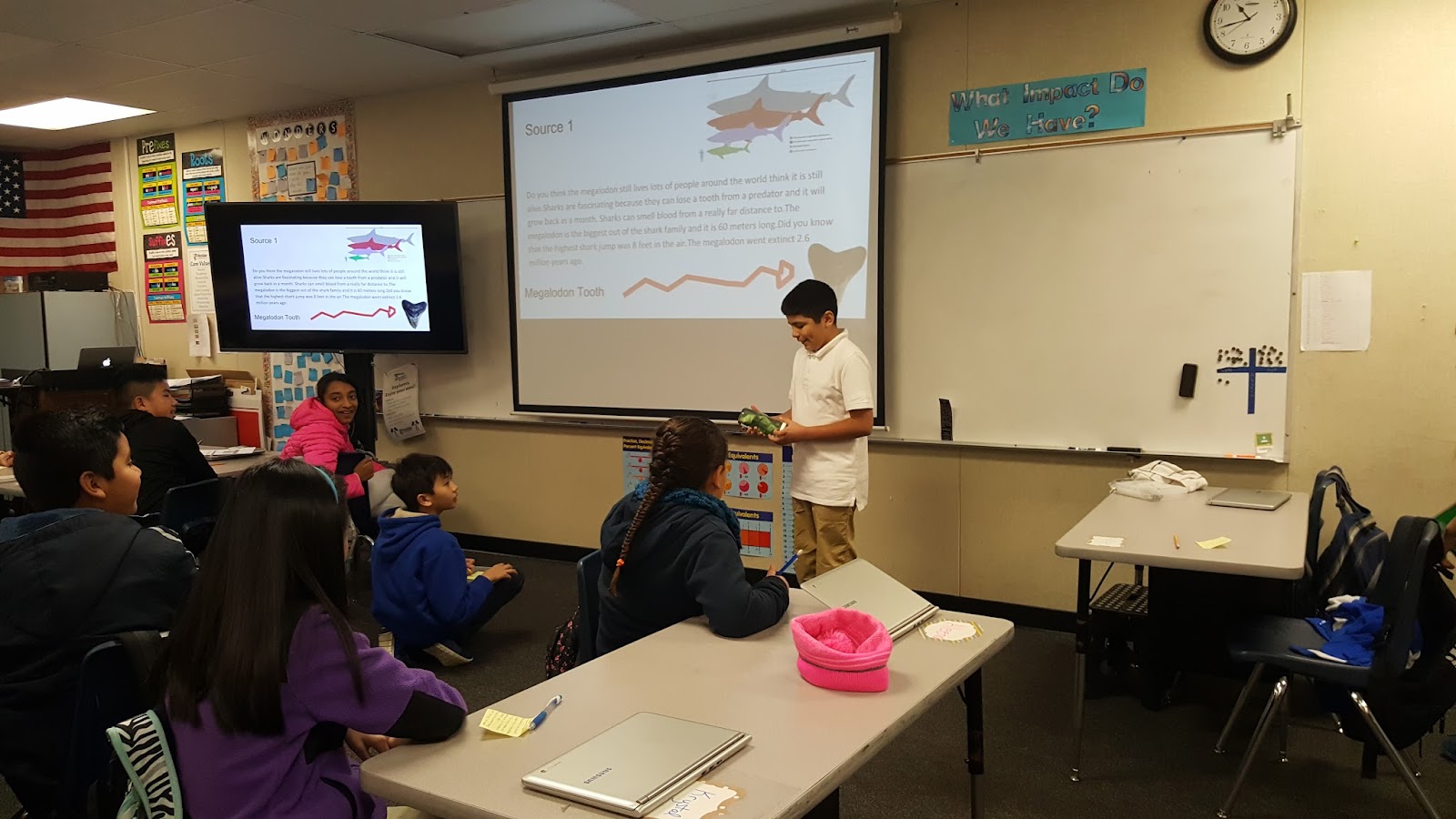
They have to choose a question to focus on, pull information from 3 sources, explain multiple perspectives that surround that topic, write either a narrative, informational, or opinion paper that includes their research, and present it to the class. This occurs on a rolling time frame all year long. Some kids have completed 5, and some only 1. They work on it when they are done with their must-do work and often ask if they can have more time. I have had students research topics from the popularity of gaming systems to Charles Darwin's Origin of Species. Talk about differentiation!
2. I allow them to work with Play-doh while they are listening to a read aloud.
I used to make kids all sit still and stay in their assigned spaces so that I knew they were paying attention.
Now I give them the option of working with play-doh to create something from the book, or just listen. I have been amazed at what they produce. Yes, they are listening! This student showed a discussion two brothers were having in My Brother Sam is Dead.

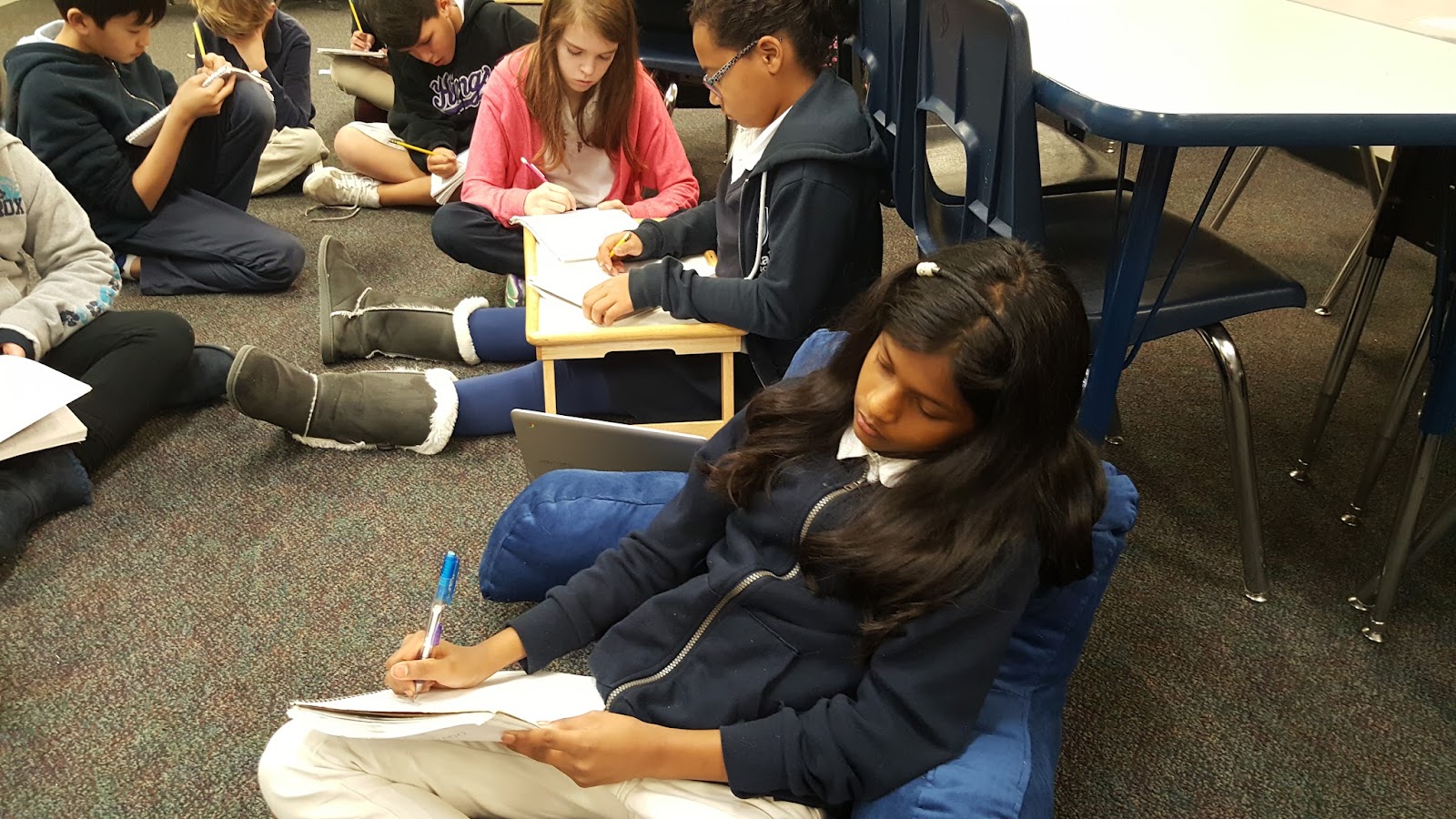
3. I allow students to work around the classroom in the spot of their choosing.
I didn’t used to allow students to sit on the floor unless it was for a special occasion.
This one has required a lot of discussion about the purpose of flexible spaces. We have discussed appropriate spaces, timing, and proximity of friends when they have this freedom of choice, and I have reserved the right to request that they head back to their “home base” if needed. As long as students are productive, I am fine with allowing them to be comfortable and have choice. My classroom does not look neat and linear most of the time, but the students are used to moving around frequently depending on the purpose of their work. It feels a lot more energetic this way.
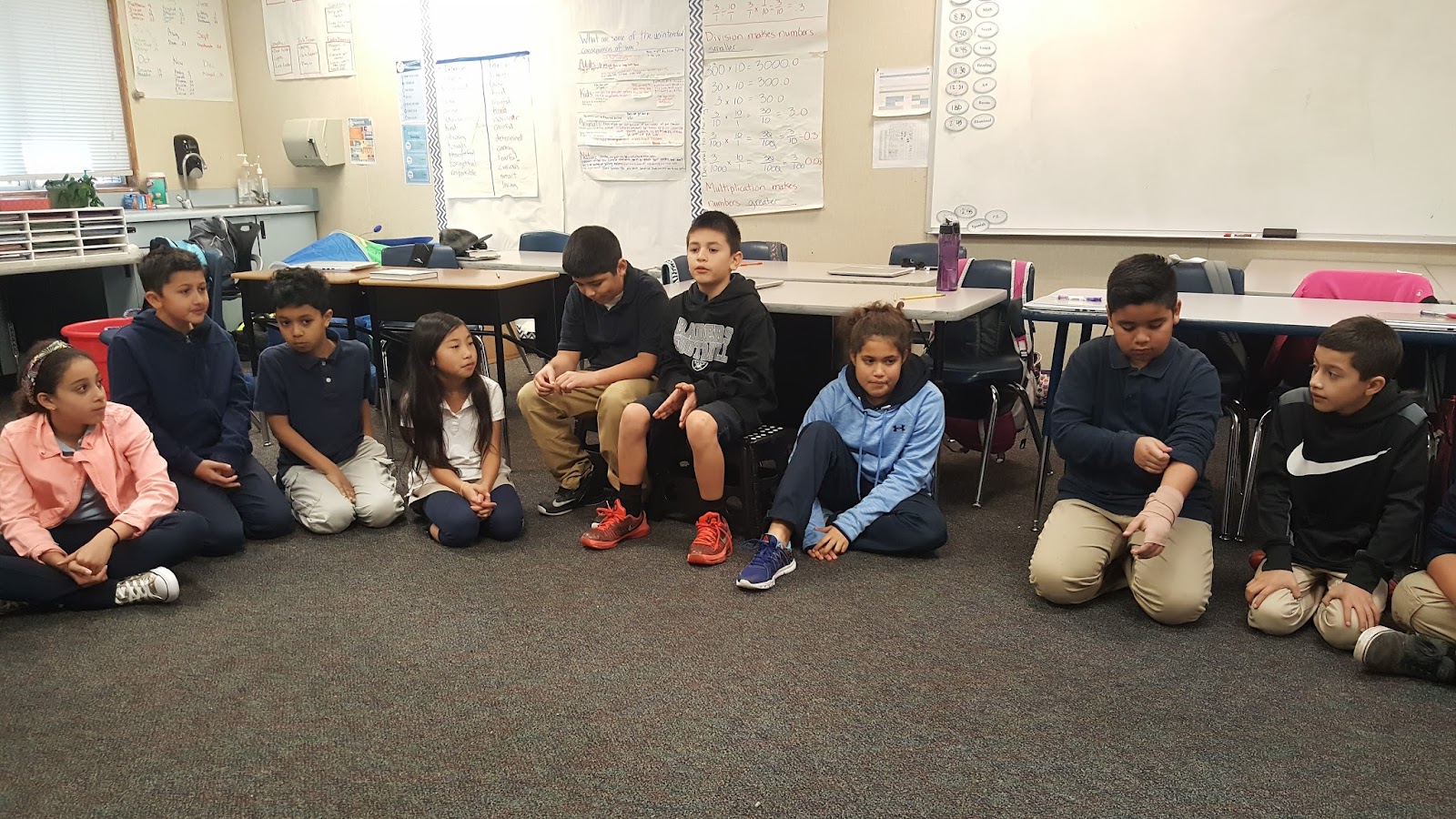
4. I have students share something with the class every day.
I used to dread allowing students to share because it took a long time away from academic work.
Now that I understand the intent behind including individual sharing as part of Responsive Classroom’s Morning Meeting, I appreciate what it teaches me about each child. Sometimes the sharing is academically related, like: how are you feeling about King George III now that you know what led up to the Revolutionary War? Sometimes it can be personal, like: what did you eat for breakfast this morning? The amount that I have learned about each student from these responses has been instrumental in the personal bond I have been able to create with them and the acceptance they have gained for each other. I would not get rid of sharing ever again.
Now that I allow myself to examine the intent behind student requests and the reason behind my assignments, I enjoy teaching a lot more. Allowing student choice teaches you about their voice. The culture we have created in the classroom this year is positive, safe, and full of learning. Happy teacher and happy kids!